
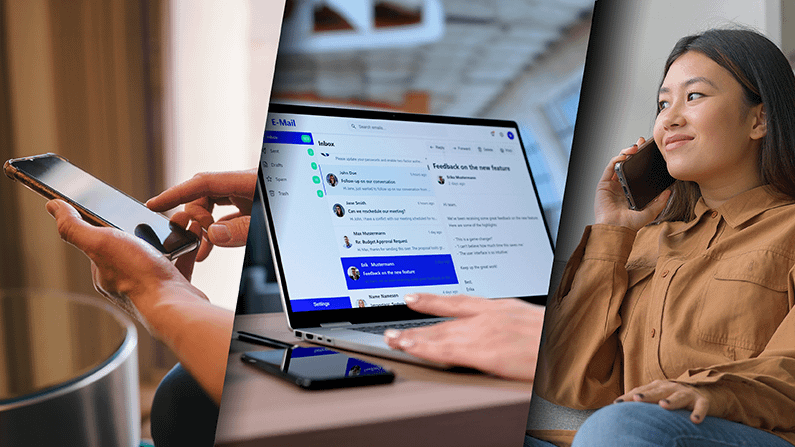
Text, email, or call? It’s a question practices answer by accident far more often than on purpose. Over time an office accumulates a patchwork of communication habits — some reminders go by text, some confirmations by email, some calls happen when someone remembers — and no one ever sat down to design it. The result is a patient communication experience that’s inconsistent, sometimes annoying, and quietly costing the practice in missed appointments and eroded goodwill.
The channel debate misses the real point. The question isn’t which single channel is best — it’s whether your practice has an intentional communication system that uses the right channel for the right message and reflects the experience you want patients to have. This guide reframes patient communication as a system to design rather than a channel to pick, and lays out how to build one that reduces no-shows, strengthens relationships, and reinforces your brand at every touch.
It’s a System, Not a Channel Choice
The framing of “text vs. email vs. call” implies you should pick a winner, but that’s the wrong model. Each channel has strengths and weaknesses, and different messages call for different channels. A confirmation, a first-visit welcome, a financial follow-up, and a reactivation outreach are not the same kind of communication, and forcing them all through one channel serves none of them well.
What matters is designing a coherent system: deciding, on purpose, which types of messages go through which channels, in what tone, at what timing. A practice that has designed this is calm and consistent; a practice that hasn’t is a jumble of ad-hoc habits that patients experience as disorganized. The goal is intentionality — every communication reflecting a deliberate choice about how best to reach the patient for that particular purpose. (See how technology fits into patient communication.)
Match the Channel to the Message
Different messages have different demands, and the art of the system is matching them well. Quick, transactional touches — appointment reminders, simple confirmations — suit fast, low-friction channels that respect the patient’s time and are easy to act on. Warmer or more sensitive communications — a first-visit welcome, a note after significant treatment, a financial conversation — often call for a more personal channel that carries human warmth.
High-stakes moments deserve the most personal touch available. The instinct to automate everything through the cheapest channel is understandable but shortsighted, because it strips the humanity out of interactions where humanity is exactly what builds loyalty. Thinking through each message type and asking “what channel serves this best for the patient?” is how a communication system earns trust rather than merely conveying information. The medium is part of the message.
Consistency Is What Patients Actually Feel
Patients may not consciously notice a well-designed communication system, but they absolutely feel an inconsistent one. When messages come at random times, in clashing tones, through unpredictable channels, the practice reads as disorganized — and that impression bleeds into how patients perceive the care itself. Communication is one of the most frequent ways patients experience your practice between visits, so its consistency shapes their overall trust.
A consistent, thoughtfully designed communication experience does the opposite: it reinforces, at every touch, that this is an organized, considerate practice that has its act together. That impression compounds. Each well-timed, well-toned message is a small deposit in the relationship, and over time those deposits become the loyalty and confidence that keep patients coming back and referring others. Consistency isn’t a cosmetic nicety — it’s a driver of how patients judge everything else. (See how patient experience turns into reputation.)
Communication as Brand Reinforcement
Every message a practice sends is a brand touchpoint, whether or not it’s treated as one. The tone, timing, and care in a simple appointment reminder communicates something about who the practice is — attentive or careless, warm or robotic, organized or scattered. Practices that understand this design even their routine communications to reflect the experience they want to be known for.
This is a lever most offices leave unused. Because communication is so frequent, it’s a powerful and low-cost way to reinforce a brand of attentiveness and warmth — but only if it’s designed with that intent rather than left to default templates and whoever happens to send them. When your communication consistently carries the character of your practice, it turns dozens of small, otherwise-forgettable touches into an ongoing expression of your brand. That’s leverage hiding in plain sight.
Reduce No-Shows by Design
A well-built communication system directly protects the schedule. Thoughtful confirmations, delivered through channels patients actually engage with and in a tone that reinforces the relationship, reduce no-shows and last-minute cancellations far better than a generic blast of impersonal reminders that patients learn to ignore. The design of the communication is what determines whether it strengthens or dilutes the patient’s intention to show up.
The key is that reminders work best when they feel like a practice that’s expecting and looking forward to seeing the patient, rather than an automated system covering itself. A patient who feels connected to the office treats the appointment as a real commitment. So the communication system isn’t just about logistics — it’s a quiet contributor to a full, productive schedule, and to the patient experience that makes people want to keep their appointments in the first place. (See how communication protects the schedule.)
Common Communication Mistakes
- No design at all. Ad-hoc habits accumulate into an inconsistent experience patients read as disorganized.
- One channel for everything. Forcing every message through a single channel serves sensitive, high-stakes moments poorly.
- Over-automating the human moments. Automating warmth out of first-visit welcomes and financial follow-ups costs loyalty.
- Impersonal reminder overload. A barrage of generic messages trains patients to tune the practice out entirely.
Design It Once, Then Maintain It
Building a communication system is a one-time design effort with ongoing payoff. Map your message types, decide the best channel and tone for each, set the timing, and assign ownership so the system is actually run and kept current as the practice evolves. What was a scattered set of habits becomes a deliberate, consistent experience that works for you at every patient touch.
As with every dependable outcome in a practice, great patient communication comes from an intentional system rather than accumulated defaults. Design it around the experience you want patients to have, keep it consistent, and let it quietly reinforce your brand, protect your schedule, and deepen loyalty message after message. The channels are just tools; the system is what makes them matter. (See why intentional systems drive growth.)
Frequently Asked Questions
Is text or email better for patient communication?
Neither is universally better — the right channel depends on the message. Quick, transactional touches suit fast channels like text; warmer or sensitive communications often call for a more personal channel. The goal is a system that matches each message type to the channel that serves the patient best.
How does communication affect no-shows?
Significantly. Thoughtful confirmations through channels patients engage with, in a tone that reinforces the relationship, reduce no-shows far better than impersonal reminder blasts patients ignore. Well-designed communication strengthens the patient’s intention to show up.
Can we just automate all our patient communication?
Automate the routine, but not the human moments. Over-automating first-visit welcomes, post-treatment notes, and financial conversations strips out the warmth that builds loyalty. The best systems automate the transactional and keep the high-stakes touches personal.
Why does communication consistency matter so much?
Because patients experience your practice through communication constantly between visits, and inconsistency reads as disorganization that bleeds into how they judge your care. A consistent, thoughtful communication experience reinforces trust and quietly strengthens the relationship at every touch.
Design the Experience, Not Just the Reminder
Patient communication is too frequent and too influential to leave to accident. Stop debating channels and start designing a system — the right message, on the right channel, in the right tone, at the right time. Do that, and your communication will reduce no-shows, reinforce your brand, and deepen loyalty with every touch, instead of quietly working against you.
Segment Your Patients, Not Just Your Messages
A mature communication system considers not only the type of message but the type of patient receiving it. Different patients prefer and respond to different channels, and a system that ignores those preferences works against itself — texting a patient who never checks texts, or calling one who’d rather not be called, wastes the effort and can even annoy. Respecting how each patient actually wants to be reached makes every message more likely to land.
This doesn’t require enormous complexity; it requires intention. Noting and honoring patient communication preferences, and tailoring outreach accordingly, meaningfully improves engagement and reduces the friction that leads patients to tune the practice out. It also signals attentiveness — a patient reached the way they prefer feels understood in a small but real way. Thoughtful segmentation is the difference between a communication system patients experience as helpful and one they experience as noise, and it’s a natural extension of designing communication around the patient rather than the practice’s convenience.
Take the Free 5-Star Challenge
Your communication system sets the tone between visits — but the first impression happens on the phone. See how your team handles new-patient calls with a free evaluation.
Take the Free 5-Star ChallengeAccelerate Your Practice Growth